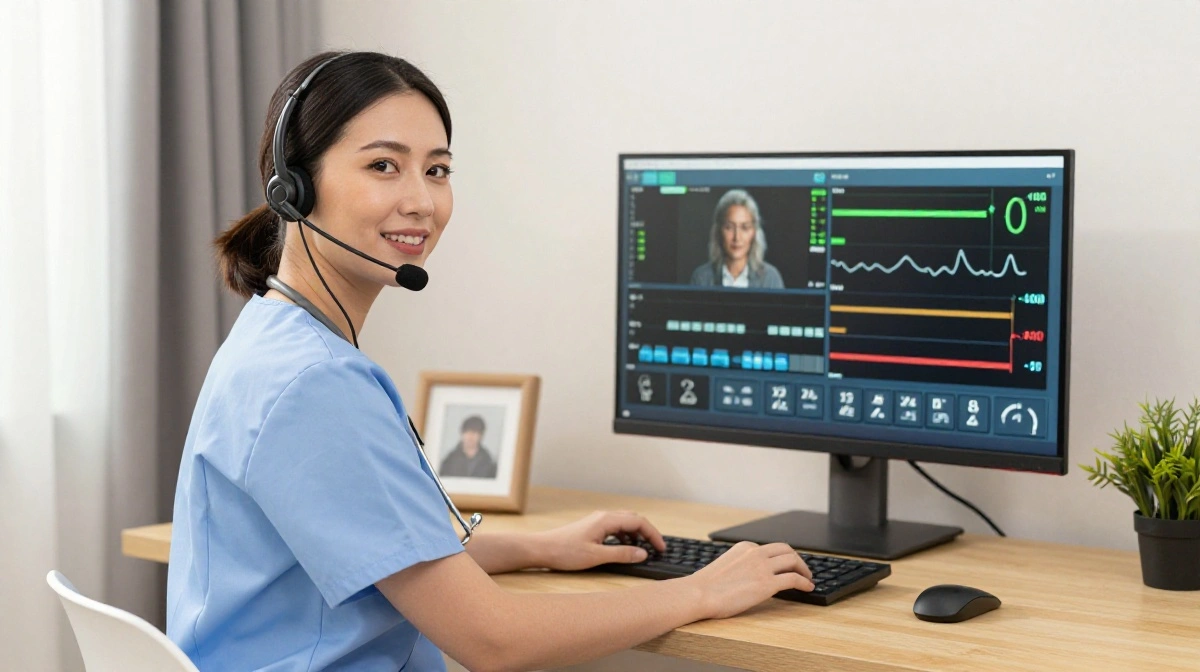
Telehealth has transitioned from an “emergency measure” to a permanent pillar of American healthcare. By early 2026, nearly 30% of all outpatient nursing interactions from triage to chronic disease management take place via digital platforms. However, this “borderless” care comes with a complex set of legal requirements that every nurse practitioner and RN must master to protect their license.
The Golden Rule of Jurisdiction
In 2026, the law is clear: Nursing care occurs where the patient is located, not where the nurse is sitting. If a nurse in Nashville is speaking to a patient in Chicago, that nurse is technically practicing in Illinois. Therefore, the nurse must hold a valid license (or a compact privilege) in Illinois to legally provide care.
The Role of the eNLC in Telehealth
The Nurse Licensure Compact (eNLC) is the primary engine for telehealth growth. If both the nurse’s home state and the patient’s state are compact members, the nurse can practice across those lines without a secondary license. However, for “non-compact” powerhouse states like New York and California, nurses must still obtain individual state licenses or utilize new 2026 “Telemedicine-Only” registrations which are cheaper but limit practice strictly to virtual visits.
The 2026 Prescribing Crackdown
A major shift this year involves remote prescribing. Following the finalization of post-pandemic DEA rules, nurses in telehealth roles must follow stricter guidelines for prescribing controlled substances. Many states now require at least one in-person evaluation within the previous 12 months, or a “synchronous” video visit with specific biometric data logged to prevent fraud.
AI and Clinical Decision Support
As we move through 2026, many telehealth platforms have integrated AI-driven triage. While these tools can help prioritize patients, the Board of Nursing standards are firm: the Nurse is responsible for the final clinical decision. Relying solely on an AI “recommendation” without human verification is considered a violation of practice standards and can lead to disciplinary action.
Documentation and Compliance
To stay compliant in 2026, telehealth nurses must:
- Verify and document the patient’s physical location at the start of every visit.
- Use HIPAA-compliant, encrypted video platforms.
- Maintain a “Telehealth Roster” of all states where they are actively seeing patients to ensure renewal deadlines never lapse.